These complimentary clinical resources are designed to support assessment, therapeutic conversation, and treatment planning. Some complement related SPB Practice Briefs, while others are provided as standalone clinical resources. Unless otherwise indicated, these materials are clinical aids rather than independently validated diagnostic instruments and should be used alongside professional judgment and comprehensive assessment.
A brief clinical measure to help identify patterns of alcohol use and their effects on couple functioning, trust, communication, and emotional safety, while highlighting relationship difficulties, recurring conflicts, and potential areas for therapeutic intervention.
A brief clinical measure to help identify patterns of problematic videogaming and their effects on daily functioning, relationships, responsibilities, emotional regulation, and readiness for change.
A brief clinical measure to help identify increasing parental dependency and its effects on family roles, caregiver strain, decision-making, personal boundaries, and the older adult’s safety and independence.
A brief clinical measure to help identify patterns of problematic pornography use and their effects on self-control, emotional regulation, secrecy, relationships, intimacy, and readiness for change.
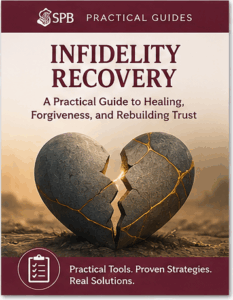
This checklist helps couples identify the conditions needed for recovery after infidelity or another serious breach of trust. It examines accountability, transparency, emotional safety, communication, and observable signs of relationship repair. It is intended to guide clinical conversation rather than determine whether a couple should remain together.
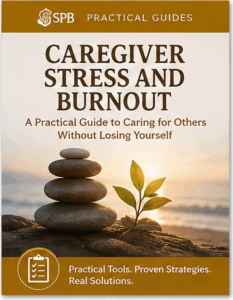
This checklist helps identify patterns of caregiver stress, emotional exhaustion, and disruption in everyday functioning. It examines caregiving demands, available support, personal health, family responsibilities, and the sustainability of the current arrangement. It is intended to guide clinical conversation and identify possible supports, boundaries, and next steps.
Depression Symptoms & Life Impact Checklist A brief self-assessment designed to identify common symptoms associated with depression and consider how they may be affecting daily life, relationships, and functioning. It can help individuals recognize patterns that may be useful to discuss with a mental health professional.
Anxiety Symptoms & Life Impact Checklist A brief checklist for identifying common anxiety symptoms and examining their impact on everyday functioning, relationships, and well-being. It can help individuals recognize areas of concern and consider whether further discussion with a mental health professional may be helpful.
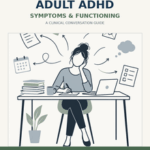
A brief self-assessment examining attention, organization, impulsivity, and other difficulties commonly associated with adult ADHD. It also considers how these patterns may affect work, relationships, responsibilities, and everyday functioning.
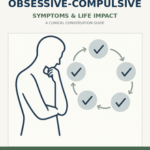
Obsessive-Compulsive Symptoms & Life Impact Checklist A brief self-assessment for identifying obsessive thoughts, repetitive behaviors, and related patterns that may interfere with everyday life. It can help individuals consider the extent to which these experiences affect relationships, responsibilities, and overall functioning.